

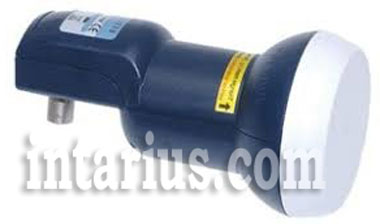
 An LNB converter (Low Noise Block converter), commonly known as a satellite dish LNB or simply a satellite head, is a critical component of any satellite TV system. Its primary function is to receive the microwave signal reflected by the satellite dish, amplify it with minimal noise, convert it to a lower frequency, and send it to the satellite receiver.
LNB converters operate at specific frequency bands and support different polarization types, depending on the satellite broadcasting standard.
A standard linear LNB receives signals using two polarization modes:
- Vertical (V)
- Horizontal (H)
LNB Types by Number of Outputs.
LNB converters are also classified by the number of output ports available. The required number depends on how many satellite receivers or TVs need to operate independently at the same time.
- Single-output – for one TV or satellite receiver.
- Dual-output – for two independent receivers or TVs.
- Quad-output – supports up to four receivers.
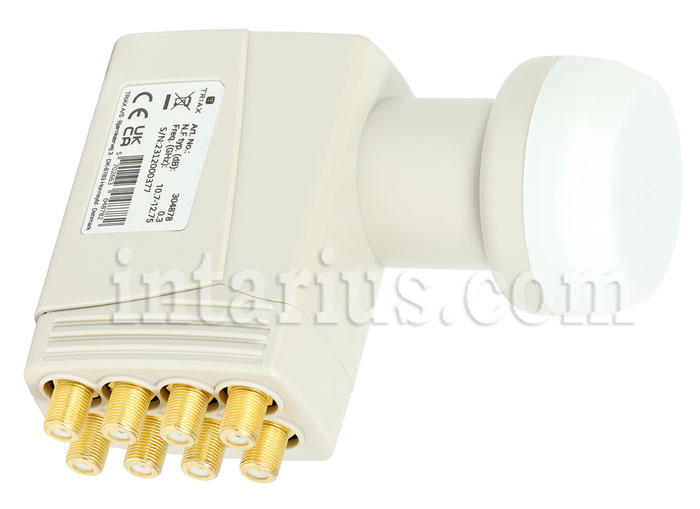
- Octo-output – designed for up to eight independent connections.
Single LNB for One TV
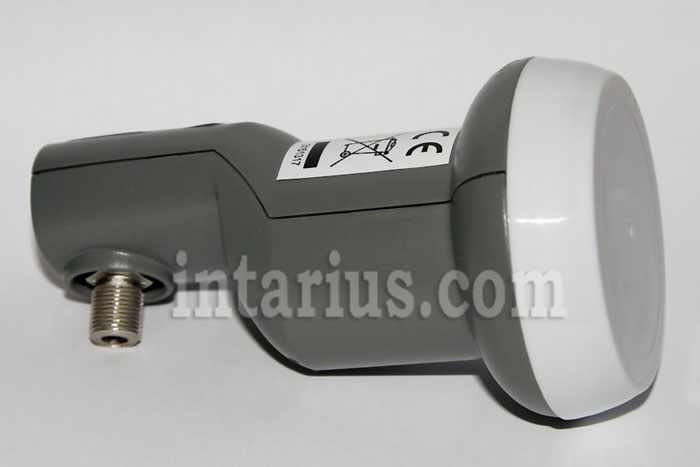
Dual LNB for Two TVs
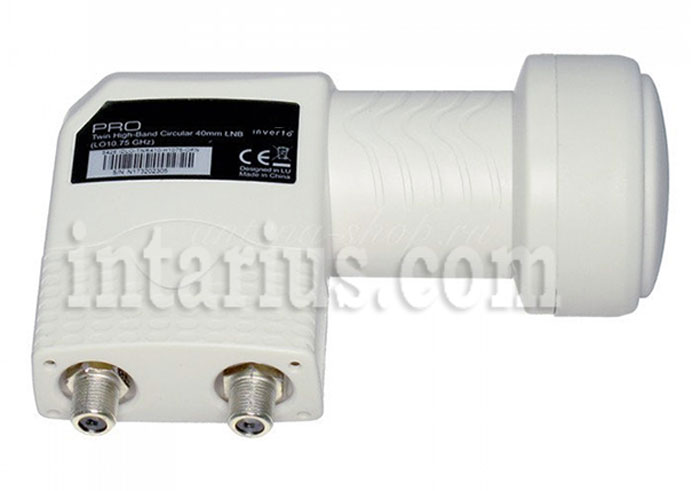
Quad LNB for Four TVs
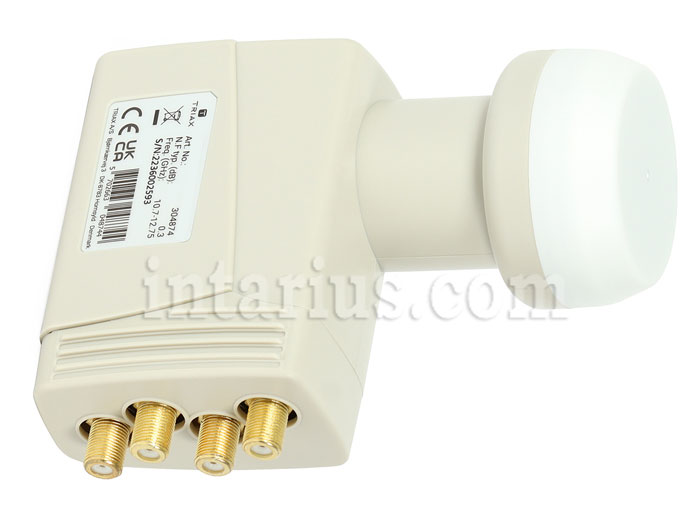
Octo LNB for Eight TVs
LNB Types by Frequency Band.
LNB converters are also categorized according to the frequency bands they support.
- Digital LNBs – the most common type used today. They operate in either the C-band or the Ku-band, depending on the satellite service.
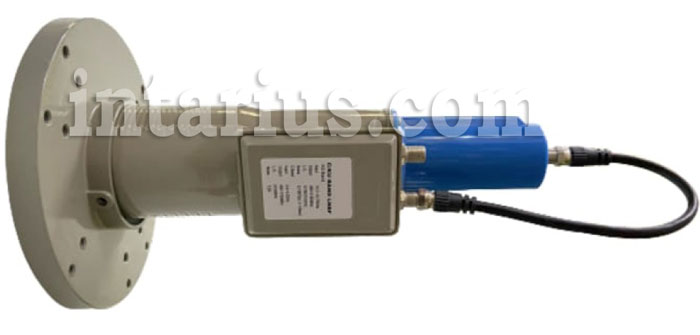
- Combined C/Ku LNBs – support both frequency bands within a single unit. Although versatile, they are less common because relatively few satellites broadcast both C-band and Ku-band signals from the same orbital position.
Combined C/Ku Band LNB
Circular Polarization LNB
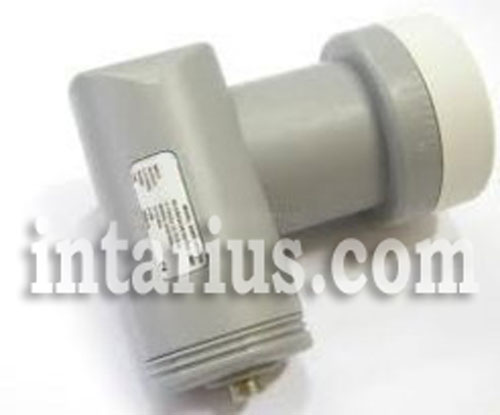
A circular polarization LNB is commonly used for satellites transmitting in the Ku-band, such as those located at the 36°E Eutelsat orbital position. Unlike standard linear LNBs, these models receive signals using:
- Left-hand circular polarization (L)
- Right-hand circular polarization (R)
Like linear LNBs, circular polarization models are available with multiple output ports, allowing several satellite receivers to operate independently.
Slim LNB Converter.
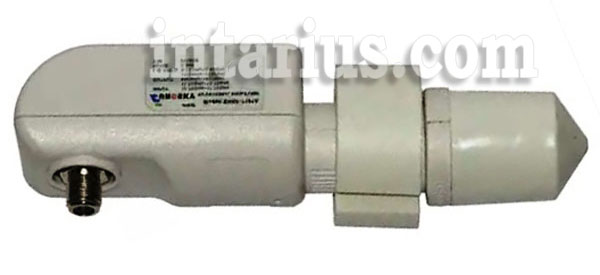
A Slim LNB features a narrower housing than a standard model. It is particularly useful when two satellites are positioned close together in the sky and there is not enough physical space to install two conventional LNBs side by side.
Because of its compact design, a Slim LNB makes it possible to receive signals from closely spaced satellites without mechanical interference.
C-Band LNB Converter.
A dedicated C-band LNB is designed for use with prime-focus (direct-focus) satellite dishes. These converters are physically larger than Ku-band models because they operate at lower frequencies.
Although C-band television is less common today than it was in the past, it is still used in many regions due to its excellent resistance to heavy rain and long-distance signal coverage. C-band LNBs are generally more expensive and require larger satellite dishes.
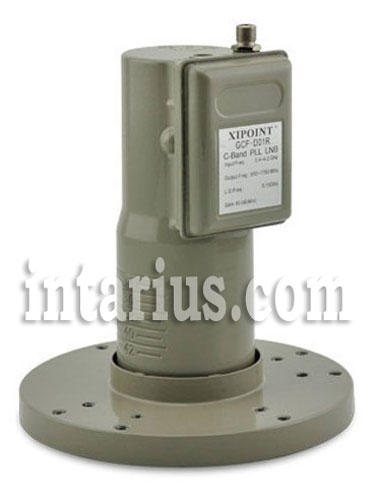
C-band LNBs are intended exclusively for installation on prime-focus satellite dishes.
Conclusion.
Choosing the right LNB converter depends on several factors, including the number of TVs you plan to connect, the satellite’s frequency band, the required polarization type, and the type of satellite dish you use. Selecting the appropriate LNB ensures reliable signal reception and allows your satellite TV system to perform at its best.
How to Improve Satellite Dish Signal Strength:
Read this – article.